
Benefits of Solar Panels for Your Home
- Laura Bachmann
- May 28
- 4 min read
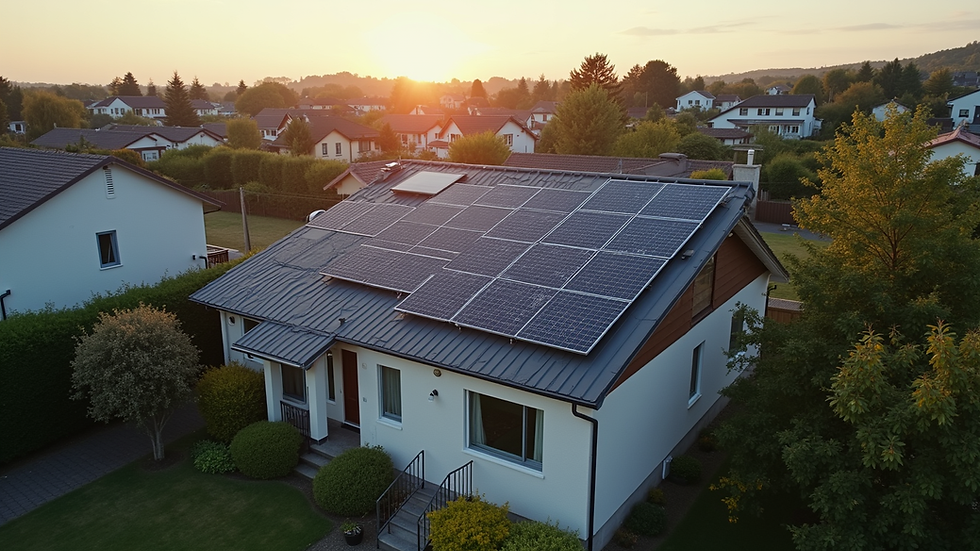
As energy costs continue to rise and environmental concerns become more pressing, many homeowners are considering solar panels as a viable solution. Solar energy is not just a trend; it is a sustainable choice that can lead to significant savings and a reduced carbon footprint. In this blog post, we will explore the numerous benefits of solar panels for your home, providing you with the information you need to make an informed decision.
Understanding Solar Energy
Before diving into the benefits, it’s essential to understand what solar energy is. Solar energy is harnessed from the sun’s rays using solar panels, which convert sunlight into electricity. This renewable energy source is abundant and can be utilized in various ways, from powering homes to heating water.
How Solar Panels Work
Solar panels consist of photovoltaic (PV) cells that absorb sunlight and convert it into electricity. Here’s a simplified breakdown of the process:
Sunlight hits the solar panels: The PV cells absorb sunlight and generate direct current (DC) electricity.
Inverter conversion: The DC electricity is sent to an inverter, which converts it into alternating current (AC) electricity, the type used in homes.
Powering your home: The AC electricity is then used to power your home’s appliances and systems.
Excess energy: If your system produces more electricity than you need, the excess can be sent back to the grid, often earning you credits or payments.
Financial Benefits of Solar Panels
One of the most compelling reasons to install solar panels is the potential for significant financial savings.
Reduced Electricity Bills
By generating your own electricity, you can drastically reduce your monthly utility bills. Depending on your location and the size of your solar system, many homeowners see a reduction of 50% or more in their electricity costs.
Tax Incentives and Rebates
Many governments offer tax incentives and rebates for homeowners who install solar panels. In the United States, for example, the federal solar tax credit allows you to deduct a percentage of the installation costs from your federal taxes. This can significantly lower the upfront costs of going solar.
Increased Home Value
Homes equipped with solar panels often have higher property values. A study by the National Renewable Energy Laboratory found that homes with solar energy systems sold for an average of 4.1% more than comparable homes without solar. This means that not only do you save on energy costs, but you also invest in your property’s future.
Environmental Benefits of Solar Panels
Switching to solar energy is not just a smart financial decision; it also has a positive impact on the environment.
Reduced Carbon Footprint
Solar energy is a clean, renewable resource that reduces your reliance on fossil fuels. By using solar panels, you can significantly decrease your carbon emissions, contributing to a healthier planet. According to the U.S. Environmental Protection Agency, a typical residential solar system can offset about 100,000 pounds of carbon dioxide over its lifetime.
Conservation of Natural Resources
Solar energy helps conserve natural resources by reducing the need for coal, oil, and natural gas. By harnessing the power of the sun, we can decrease the depletion of these finite resources and promote a more sustainable energy future.
Energy Independence
With solar panels, you gain a level of energy independence that is increasingly valuable in today’s world. Here’s how:
Protection Against Rising Energy Costs
As energy prices continue to fluctuate, having your own solar energy system can protect you from rising utility costs. By generating your own electricity, you are less affected by market changes and can enjoy stable energy prices.
Resilience During Power Outages
Solar panels can provide power during outages, especially when paired with battery storage systems. This means that during storms or other emergencies, you can maintain access to electricity, enhancing your home’s resilience.
Practical Considerations for Solar Panel Installation
While the benefits of solar panels are clear, there are practical considerations to keep in mind when thinking about installation.
Assessing Your Home’s Solar Potential
Before installing solar panels, it’s essential to assess your home’s solar potential. Factors to consider include:
Roof orientation: South-facing roofs typically receive the most sunlight.
Shade: Trees or buildings that cast shade on your roof can reduce solar panel efficiency.
Roof condition: Ensure your roof is in good condition before installation, as solar panels can last 25 years or more.
Choosing the Right Solar System
There are various types of solar systems available, including:
Grid-tied systems: These systems are connected to the utility grid and allow you to draw power when needed.
Off-grid systems: Ideal for remote locations, these systems operate independently of the grid.
Hybrid systems: These combine both grid-tied and off-grid capabilities, providing flexibility and reliability.
Finding a Reputable Installer
Choosing a qualified solar installer is crucial for ensuring a successful installation. Look for:
Experience and certifications: Check for certifications from organizations like the North American Board of Certified Energy Practitioners (NABCEP).
Customer reviews: Read reviews and testimonials from previous customers to gauge the installer’s reputation.
Warranty and support: Ensure that the installer offers warranties on both the panels and the installation work.
Common Misconceptions About Solar Panels
Despite the many benefits, several misconceptions about solar panels persist. Let’s address a few of them.
Solar Panels Are Too Expensive
While the initial investment can be significant, the long-term savings on energy bills and available incentives often offset these costs. Additionally, financing options and leasing programs can make solar more accessible.
Solar Panels Don’t Work in Cloudy Weather
Solar panels can still generate electricity on cloudy days, although their efficiency may be reduced. In fact, many solar systems are designed to perform well in various weather conditions.
Solar Energy Is Only for Warm Climates
Solar energy can be harnessed in a variety of climates. While sunny areas may produce more energy, solar panels can still be effective in cooler or overcast regions.
Conclusion
The benefits of solar panels for your home are numerous, ranging from financial savings to environmental impact. By investing in solar energy, you not only reduce your electricity bills and increase your home’s value but also contribute to a more sustainable future. As technology continues to advance and costs decrease, now is an excellent time to consider making the switch to solar.
Take the first step towards energy independence and a greener home by exploring your solar options today. Whether you’re motivated by savings, environmental concerns, or energy independence, solar panels can provide a solution that meets your needs.

Comments